How Can You Participate In World Book Day

World Book Day, also known as World Book and Copyright Day, is an annual celebration organized by UNESCO to promote the joys of reading, publishing, and copyright. It takes place on April 23rd each year, a date chosen for its symbolic significance in world literature as it marks the death anniversary of several prominent authors, including William Shakespeare and Miguel de Cervantes.

Participating in World Book Day is a wonderful way to celebrate the joy of reading. Here are some ways you can get involved:

Redeem Book Tokens: If you have received a World Book Day book token, you can redeem it at participating retailers for a free World Book Day book or get a discount on other books during the redemption period.

Attend Events: Check out local libraries, bookstores, and schools for special World Book Day events, which may include readings, author signings, and book-themed activities.

Dress Up: Many schools and communities host costume events where participants dress up as their favorite book characters. It’s a fun way to engage with literature and share your love for a particular story.

Share a Story: UNESCO encourages sharing stories and reading aloud to children for at least 10 minutes every day to foster a love for reading.

Gift a Book: Consider gifting a book to someone, especially children, to encourage reading. It’s a great way to spread the love for books.

Join Online: Participate in online discussions, book clubs, and social media events centered around World Book Day. Share your reading experiences and recommendations with others.

Support Local Bookshops: Visit your local independent bookseller to explore new titles and support the community. Many bookshops participate in World Book Day by hosting events and offering special deals.

Remember, World Book Day is about celebrating books and reading in all forms, so any way you choose to participate will contribute to the global appreciation of literature!

Happy World Book Day 🙂

Paperbacks!

Fostering Literacy

In my interaction with young parents, I have observed, they often eagerly anticipate the moment when their young children start reading. Reading itself is a journey. There is a difference between children who read, who love to read and who will be lifelong readers. We all fairly know  about pre-writing skills. But there is a level zero for reading as well which is known as pre-reading skills.

What are pre-reading skills?

A house needs a solid foundation to sustain for years. Likewise emergent literacy skills or pre-reading skill serve as the groundwork for successful reading.

Here are six important pre-reading skills that are crucial components that pave the way for a child’s reading journey.

1. Phonics awareness: The ability to recognize and manipulate individual sounds (phonemes) in spoken words.

2. Vocabulary development:  Building a rich vocabulary through exposure to a variety of words and their meanings.

3. Print awareness: General knowledge about print (eg. which is the front of the book and which is the back, how to turn the pages of a book and that the way we read from top to bottom and left to right.)

4. Letter Recognition: Identifying and knowing the names and sounds of letters, which is fundamental for decoding words.

5. Listening Skills: Developing the ability to listen actively, comprehend spoken language, and follow instructions.

6. Narrative Skills: Understanding and constructing simple stories, which lays the foundation for comprehending more complex texts later on.

These skills collectively contribute to a child’s readiness for formal reading instruction and support literacy development.

Examples and activities for each of the six pre-reading skills:

1. Phonemic Awareness:

 Example: Play rhyming games to identify words that sound the same.

Activity:Sing nursery rhymes or engage in activities that involve recognizing rhyming words.

2. Vocabulary Development:

Example: Read books with varied vocabulary and discuss meanings.

Activity: Create a word wall with new words encountered during daily activities.

3. Print Awareness:

Example: Point out words in everyday environments (e.g., signs, labels).

Activity: Play “I Spy” with written words, asking the child to find specific words around them.

4. Letter Recognition:

Example:Use alphabet books to familiarize children with letters.

Activity:Play games that involve identifying and matching letters, like alphabet puzzles.

5. Listening Skills:

Example: Listen to and discuss different genres of stories or informational content.

Activity: Ask questions about a story to check comprehension and encourage discussion.

6. Narrative Skills:

Example: Encourage storytelling or re-telling familiar stories.

Activity: Create a simple story together, taking turns adding elements to the plot.

These activities can be adapted based on age and developmental stage, providing a fun and interactive way to enhance pre-reading skills.

Birud

Head – Children Literature

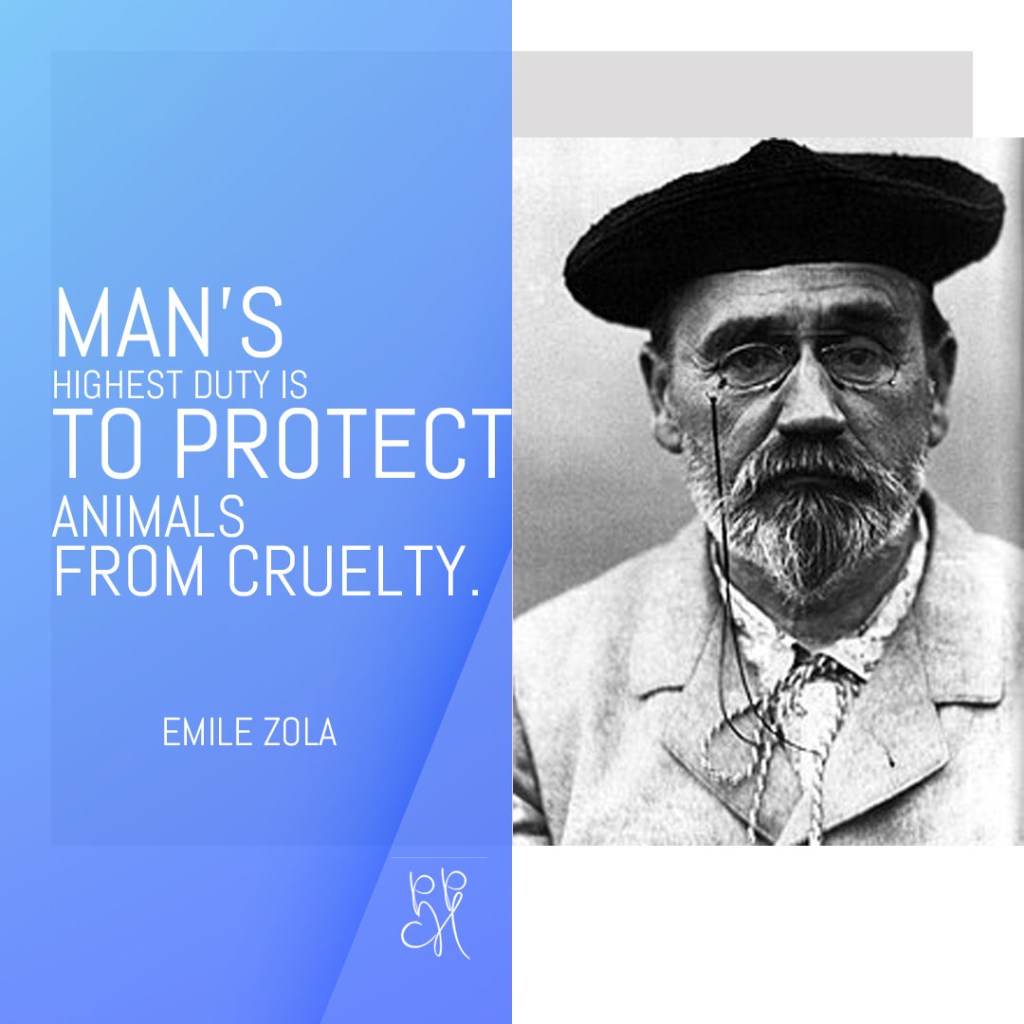
My Discovery of Zola

Realism to Naturalism, my search unearthed the master of Naturalism, Emile Zola!

Literary realism is a movement that depicts reality by portraying mundane everyday experiences as they are in real life. It primarily deals with the life course of middle and lower classes. The shift happened during the ninetieth century, which took an alternative narrative from the usual one, which was about exotic and poetic romanticism.

The roots of literary realism lie in France. The two prominent figures were Honore de Balzacand Gustave Flaubert, who adopted and gave wings to realist narration. The change occurred because then the works of Romanticism were thought to be exotic. Even though they celebrated the uniqueness and impermanence of every human life by living their lives through emotional experiences, it lost the connection with real world.

Once realism started gaining momentum, that was the exact time when George Eliot (Mary Ann Evans) published ‘Middle March’, a study of provincial life in 1871.

There are about 6 types of Literary Realism,

  1. Magical Realism: One Hundred Year of Solitude by Gabriel García Márquez (1967)
  2. Social Realism: Les Miserables (1862)
  3. Kitchen Sink Realism: Room At The Top (1957)
  4. Socialist Realism: something created and adopted by the communists.
  5. Naturalism
  6. Psychological Realism: Crime and Punishment by Fyodor Dostoyvesky (1866)

I have explored all other kinds of realism except Naturalism. So this new opportunity pushed my curiosity to widen the horizons to learn more about and get acquainted with Naturalism.

Naturalism is considered to be the extreme form of realism influenced by Charles Darwin’s Theory of Evolution, was said to be founded by Emila Zola, the French writer. Naturalism explores and investigates all social and environmental phenomena in the belief that nothing exists beyond the natural world. Here super naturals and spiritual experiences are negated and the focus shifts on to that explanation that comes from the law of the nature.

Then I realized that I have already read some works that can be categorically called as Naturalism. Then I wasn’t aware of the literary branch I was exploring through my readings. Till then I was observed into English and Russian literature marvels, this discovery of Naturalism opened an avenue, a secret door to French Literature as well.

I decided to begin with the works of the father of Naturalism, Emila Zola. I was not at all disappointed. I bought The Entire collection of Emila Zola on my Kindle, and I was excited to explore the new world of literature with the fascination of a child. I began with his short stories and it gave me the satisfaction of a piping hot meal, or like indulging a perfectly baked cake, delicious!

Almost through the short story collection, now I am eager to read his novel, and it is kind of cool off period for me to make a decision on what am I going to pick? Should I begin with his early novels or should I jump into the literary series consisting of 20 books called ‘Rougon-Macquart.

I guess I will be picking the 20-book series after completing his novel called ‘Therese Raquin’, the novel which undoubtedly put him in the map of French Literature.

And here we come, my discovery of Emila Zola and the journey into the best of works on Naturalism. It all started with reading an article about Realism, through which I detected naturalism on my radar. It is an immense discovery of an author who pioneered this literary movement. Like I always believed, we don’t pick books, they pick us, that too only when we are ready to accept them. My moment with Naturalism and Emila Zola had just begun!